
What to Expect at a New Patient Dental Appointment
A first dental visit can feel new and confusing. Many people wonder what will happen and how long it will take. A…

Sleep apnea is a serious condition that causes the airway to become obstructed. Airway obstruction leads to an inability to breathe as oxygen is no longer able to flow. Additionally, sleep apnea can result in a lack of sleep, which may translate to poor work ethic, irritability, and stress.
Thankfully, sleep apnea can be addressed, managed, and treated by a general dentist. Modern-day technology has allowed for the evolution of multiple treatment avenues, with oral appliance therapy being very popular.
Below is a quick overview of how a general dentist administers sleep apnea treatment. It can be helpful to review this information when looking into different treatment options.
While it may be surprising to learn that general dentists treat sleep apnea, it is actually standard practice. Because dentists are experts in all things relating to the oral cavity, it is easy for them to diagnose a problem and tackle it. When it comes to treating sleep apnea, they are able to examine a patient's oral cavity to determine where the problem may lie. Aside from a simple examination, the dentist may also have to perform a sleep study, which involves monitoring the patient while they are asleep. In some cases, other medical specialists may be required to assist.
Once diagnosed, the dentist can outline a treatment plan for the patient. In most cases, dentists recommend oral appliance therapy, which only requires impressions to be made. Impressions are used to custom create the oral appliance, which is done at a dental lab. This ensures a perfect fit, thus reducing the possibility of error throughout the treatment plan.
The type of oral appliance needed will be determined by the dentist. There are two common appliances used to treat sleep apnea.
Mandibular advancement devices: A MAD is a mouthguard-looking oral appliance that sits over the upper and lower arch of teeth. On either end, metal hinges lie to hold the lower jaw in a forward or advanced position. This keeps the airway from becoming obstructed.
Tongue retaining devices: A common way that the airway becomes obstructed is when the tongue falls backward, blocking the airflow. Tongue retaining devices are oral splints that appear like a baby's pacifier. The tongue sits in a cut-out space where it is held in place throughout the night, thus preventing sleep apnea.
After an oral appliance is created and administered, the general dentist will perform another monitoring sleep session to determine whether or not the treatment is working. If successful, the patient will be required to wear the appliance every night when sleeping. In most cases, oral appliance therapy works successfully for sufferers of sleep apnea.
When suffering from any form of sleep apnea, it is best to consult with a general dentist. An evaluation can be done to determine what action is necessary. Additionally, the dentist can address questions or concerns, which can be helpful in easing anxieties. To find out more about treatment, reach out today.
Request an appointment here: https://www.alamodentistry.com or call Alamo Family Dentistry at (805) 259-1149 for an appointment in our Simi Valley office.
Check out what others are saying about our dental services on Yelp: Do I Have Sleep Apnea in Simi Valley, CA.
A first dental visit can feel new and confusing. Many people wonder what will happen and how long it will take. A…
Dental procedures include treatments that protect and improve teeth. It includes cleanings and fillings to cosmetic work like veneers. Proper care ensures…
A dental problem becomes an urgent emergency when the pain is severe, the bleeding will not stop, or there is swelling in…
Tooth decay often starts quietly. It hides in tiny spots on your teeth. Ignoring these early signs can become a big problem…
A first dental visit can feel new and confusing. Many people wonder what will happen and how long it will…
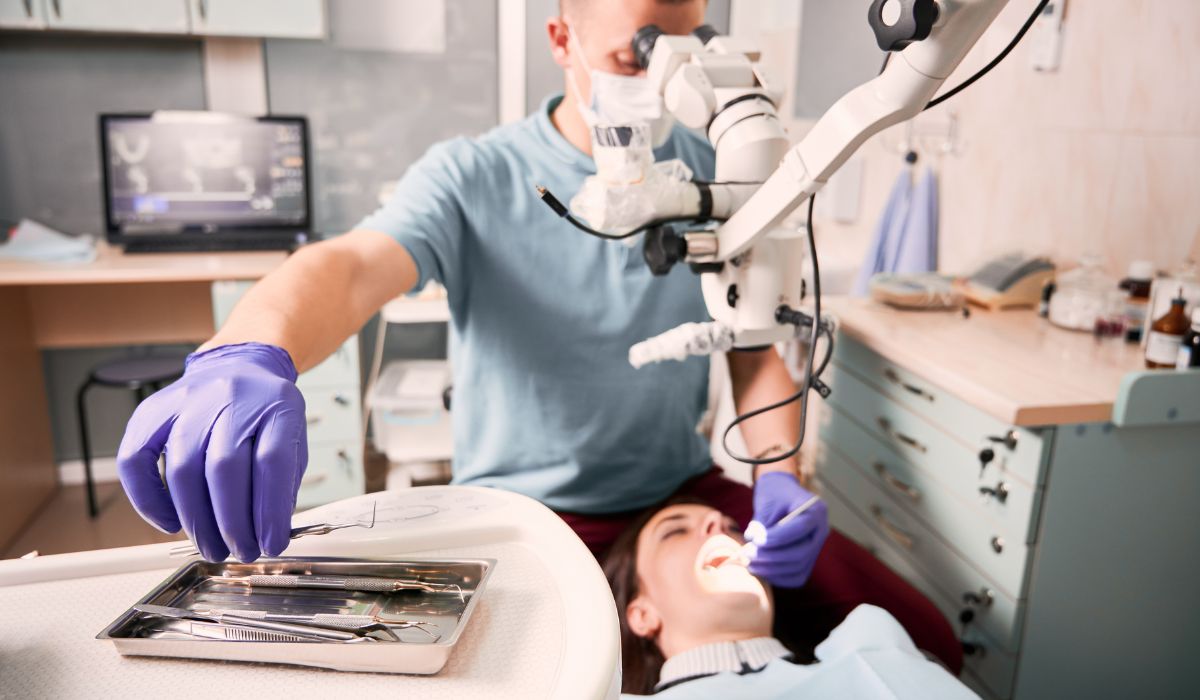
Dental procedures include treatments that protect and improve teeth. It includes cleanings and fillings to cosmetic work like veneers. Proper…

A dental problem becomes an urgent emergency when the pain is severe, the bleeding will not stop, or there is…